The Art of Restoration: Why Patience Creates Perfection
The package arrives at your door before you even remember ordering it. Just a single click, and a bit of money, and the item is on your porch. But what if it breaks? You toss it in the bin and buy a new one. In our haste to replace, we lose something vital. We lose the connection to the objects we own.
The Art of Restoration fights back against this cycle. It is the practice of fixing, saving, and respecting the things that have stories to tell. Patience is the heart of this work. Without it, you are just masking a problem rather than solving it. When you commit to restoration, you move away from the cult of instant results and toward a standard of quality that lasts.
Understanding the Art of Restoration
There is a major difference between a quick repair and true restoration. A repair is often a temporary patch. You might superglue a broken handle or tape a frayed wire. It restores function, but it ignores integrity. The object works again, but it remains broken beneath the surface.
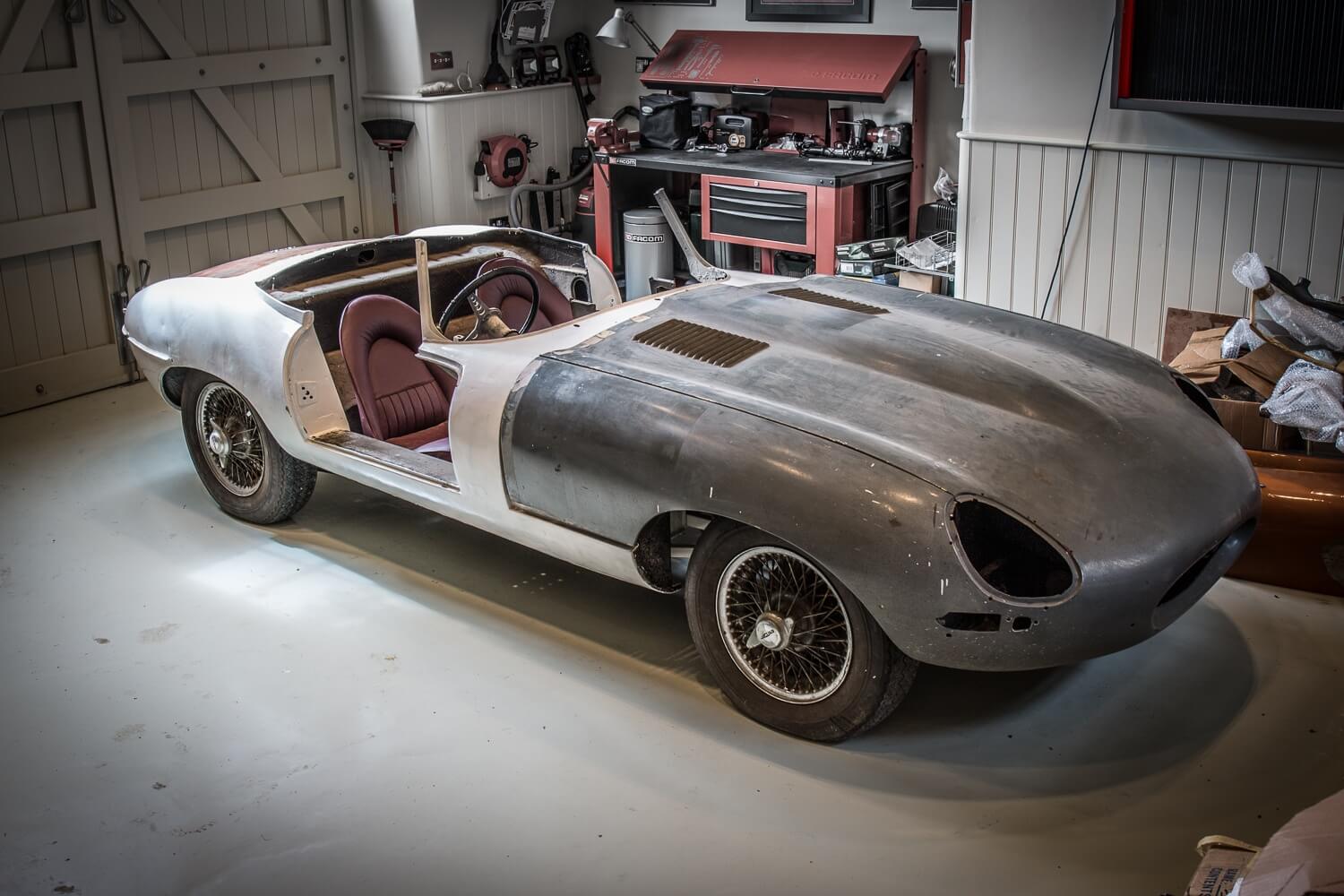
In The Quiet Confidence of Distance: The Restoration of a 1975 Jaguar XJC by David Catzel, the Jaguar may appear to be a technical project, a process involving parts, paint, upholstery, and engineering expertise. But Catzel reveals something deeper beneath the polished surfaces and mechanical details. Restoration becomes an exercise in discipline, decision-making, and long-term thinking. It becomes a philosophy.
It is the process of bringing an object back to its original or best state while honoring its history. It requires you to know how the item was built in the first place. You must strip away the grime, identify the structural rot, and use materials that match the age and nature of the piece. While repair focuses on utility, restoration focuses on the soul of the object. If you force the process, you destroy the history you are trying to save.
Eventually, progress emerges not from perfection, but from persistence. Perhaps this explains why classic car enthusiasts often speak about restoration in deeply personal terms. Cars become more than machines. They become repositories of stories, memories, and experiences. Every repaired component and every restored surface reflects time invested and lessons learned.
Catzel captures this emotional connection beautifully. The restoration of the Jaguar XJC becomes more than a mechanical achievement; it becomes a relationship built through effort and trust.
There is also an important cultural message embedded throughout the book. Increasingly, modern products are designed around replacement cycles. Technology evolves quickly. Devices become obsolete. Repair often costs more than replacement.
Classic cars belong to a different philosophy entirely.
They were built with longevity in mind.
They expected maintenance.
They assumed stewardship.
And perhaps that idea resonates now more than ever.
People increasingly seek experiences and objects that feel authentic, durable, and meaningful. Restoration reflects a desire to preserve craftsmanship rather than discard it. It values care over convenience. The Jaguar itself eventually becomes a symbol for something larger. Once restored, it does what it was always designed to do: travel quietly, confidently, and without unnecessary drama. Yet reaching that point required years of effort, countless decisions, and an extraordinary amount of patience. The destination mattered. But the process mattered more.
Whether you’re a classic car enthusiast, a collector, or simply someone who appreciates stories about craftsmanship and dedication, The Quiet Confidence of Distance is a must-read book for you. Start the journey today and see why some machines, and some lessons, only reveal their true value over time.